
ATO debt
Clear the tax office in one move
A company director with a home worth around $1.4m and a bank loan of $600k borrows $180k by second mortgage to pay the ATO in full and stop the interest charges compounding.
Second mortgage
Direct private lender · Australia-wide
Private first and second mortgages and caveat loans from $20k to $5m for Australian businesses. No repayments for the first 6 months, open terms, no sworn valuation — and funding in as little as 24 hours.*
Loan amount
$350,000
8of 8 checks
pass
Example: $520k already owing on a first mortgage.
How it works
No paperwork to start, no credit check to find out, and a real person on your file from the first call.
Five quick steps — the loan, the property, the borrower, the exit and your details. Your indicative equity, position and LVR appear on screen.
Usually within the hour in business hours. They confirm the figures, ask about the exit and tell you plainly what's possible.
We assess the property ourselves — no sworn valuation — issue the Letter of Offer and settle. Funding in as little as 24 hours from a clean, complete scenario.
No judgement lending
Defaults, tax debt, a bank that said no, a business that opened last month. None of it rules you out on its own. If you own property with equity and need money for the business, we fund it.
What we look at
We lend against Australian real property for business purposes. Total debt on the property — including our loan — can reach these limits:
Houses, units and townhouses. Under $800,000 in value, the LVR may reduce.
Offices, shops, factories, warehouses and mixed use.
Farmland, lifestyle acreage and vacant blocks.
Where we sit on the title
Four ways to secure it
Pick the structure by where the loan sits on your title and how quickly you need it. Not sure? The 60-second quiz narrows it down.


How secured lending helps
Illustrative examples of the problems property equity solves every week for Australian businesses. Figures are rounded and aren't offers.
A company director with a home worth around $1.4m and a bank loan of $600k borrows $180k by second mortgage to pay the ATO in full and stop the interest charges compounding.
Second mortgage

A manufacturer's bank approval stalls a week before settlement. A private first mortgage over a debt-free factory unit funds the purchase; the bank refinances it out later.
Private first mortgage
A developer with four unsold townhouses releases equity across them to repay a construction lender, then sells each one at the right price over the next year.
Residual stock loan
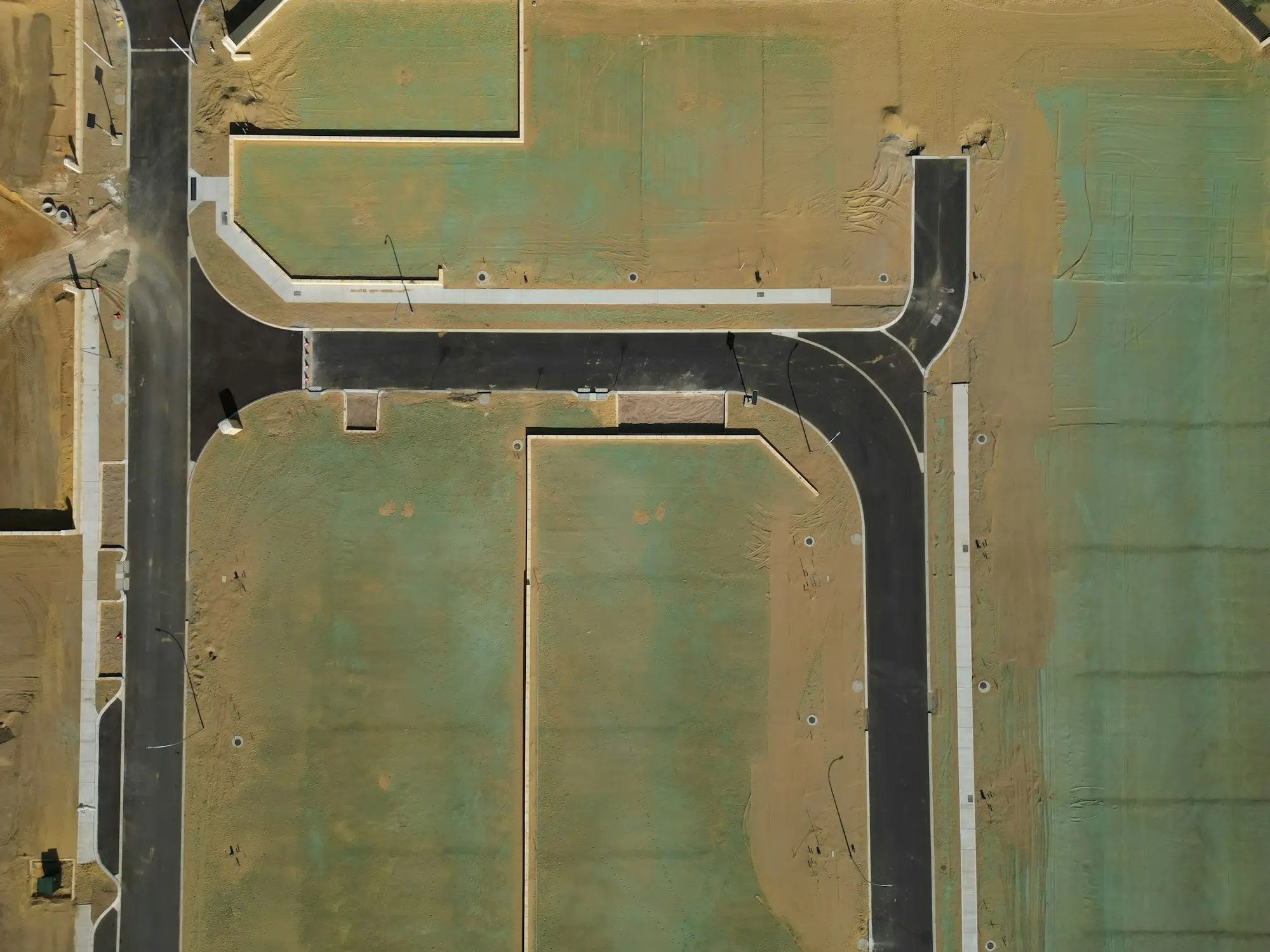
A builder spots a block at the right price. A caveat loan over an investment property funds the deposit within days; it's repaid when the project finance lands.
Caveat loan

A retailer uses equity in two properties — the home and a small commercial unit — to fund a fit-out and stock for a second location.
Multiple properties

A farming family uses part of the equity in its land to carry the business through to sale proceeds, with interest capitalised so there's nothing to pay monthly.
Capitalised interest
More ways secured lending helps
Private first mortgages
Borrow against property you own outright, or refinance a bank out of first position — open terms, no repayments for the first 6 months, priced on the security and the exit.
Second mortgages & caveats
Keep your bank loan where it is and borrow against the equity sitting behind it — by registered second mortgage or a fast caveat loan.
Loan purposes
What business owners actually use property-secured private loans for — suppliers, stock, imports, equipment, tax bills, buyouts, deposits and more — and how each one is structured.
Or start from the amount
Your security
How much equity you can use, which properties count, and how company, trust and family-owned property can secure a business loan.
Work out the usable equity in your property for a secured business loan: what's owing, first vs second mortgage, LVR and how $20k to $5m is assessed.
Read →Combine equity in two or more properties for one secured business loan: how cross-collateral works, mixing first and second mortgages, releasing a title.
Read →How a private lender looks at a house versus a shop, office or warehouse as security for a business loan: leases, buyer pool, GST on exit and what to prepare.
Read →Use property held in a company or family trust as security for a business loan. Who signs, what the trust deed must allow, director guarantees and documents.
Read →Use a family member's, director's or partner's property to secure your business loan. What they sign, what they're liable for and how to set it up properly.
Read →No formal valuation required: how a private lender assesses your property directly, why it saves time and cost, and what you need to tell us up front.
Read →How capitalised interest works on our secured business loans: no repayments for 6 months, interest-only after that, and a rebate if you repay early.
Read →Private mortgage for a company or trust: choosing which entity borrows, who gives the security, who guarantees and the paperwork each structure needs.
Read →Private mortgage on the commercial property your business trades from: related-party leases, ownership structures and exits that keep you in the building.
Read →Secured loan against commercial property: how shops, offices, strata suites and mixed-use buildings are judged as security, and what lifts the amount you get.
Read →Secured loan against residential property for a business purpose: how houses, units, rentals and holiday homes are judged, and how to protect the family home.
Read →Secured loan against industrial property: the zoning, environmental, plant and lease checks a lender runs on a warehouse or factory, and how to prepare.
Read →Secured loan for sole traders: how borrowing in your own name against a home or rental works, what you'll need, and how to keep the risk to the property small.
Read →For property developers
Construction lenders fund the build. Everything around it — the site deposit, the DA and consultants, the stock that hasn't sold — is where private secured funding earns its keep. It's secured on completed property you already own, never on the build itself.
Developer funding →Guides

Where a bank wins, where a private lender wins, and how many owners use one to get to the other.
Read the guide →
The exit is the part of your application a private lender reads twice. Here's how to make it hold up.
Read the guide →
A practical checklist of what a private lender asks for, why, and the paperwork you can leave in the drawer.
Read the guide →Questions
Still unsure which structure suits you? Take the quiz, run the calculator or just check your loan.
Secured lending is borrowing with an asset pledged as security, so the lender can recover the debt from that asset if the loan isn't repaid. For Australian business owners the asset is usually property, and the loan is set up as a private first mortgage, a second mortgage or a caveat loan. Because the property protects the lender, secured lending can reach larger amounts and move faster than an unsecured loan.
Loans run from $20,000 to $5,000,000. Total debt on the property, including the new loan, can reach up to 80% of value for residential property, 70% for commercial, industrial and retail, and 60% for rural land and vacant land. The loan check works out your indicative available equity in about a minute.
A first mortgage ranks first on the title and is paid out first if the property is sold. A second mortgage sits behind an existing first mortgage, so you keep your bank loan and borrow against the equity above it. A caveat loan is the quickest form of security to put on the title, and it can later be converted to a registered second mortgage.
No sworn valuation is needed. We assess the property ourselves using the title, the location and recent sales, so there's no valuer to book, wait for or pay.
Not for the first 6 months. Interest is capitalised — added to the loan — for the first 6 months, so there's nothing to pay while the money does its job. Terms are open, and you can repay early at any time.
Funding can happen in as little as 24 hours from a clean, complete scenario — accurate figures, statements for anything owing on the property and a clear exit. Most of the delay in any loan is missing paperwork, so having it ready matters.
No. Companies, trusts and sole traders are all welcome, including start-ups. There's no minimum trading period, no turnover test and no serviceability test — the loan is assessed on the property and how it will be repaid.
Often, yes. Defaults, tax debt and past credit problems are never disqualifying on their own. With private secured lending, the equity in the property and a believable exit carry far more weight than a credit score.
No — these are business loans only. That includes paying the ATO, working capital, buying property or a business, bridging a settlement, refinancing a lender and equipment or stock. For a personal or household loan, your bank or a mortgage broker is the right call.
No. There's no credit check to find out where you stand. A specialist reviews your answers and calls you first; a credit check only happens if you decide to go ahead.
Five quick steps, an instant indicative answer and a lending specialist who calls you back. No credit check to find out.
*Funding in as little as 24 hours from a clean, complete scenario.