Quick answer
A Sunshine Coast private lender funds local builders, developers and business owners against property they already hold, from completed townhouses and coastal units to industrial sheds and, case by case, subdivided lots or acreage. Loans run from $20k to $5m as a first mortgage, registered second mortgage or short caveat, with no formal valuation required and interest that can be prepaid or capitalised until a sale or refinance repays the debt.
Key points
- Large planned communities such as Caloundra South have made the coast a builder and developer economy
- Completed but unsold stock is strong security for a short loan that bridges to sale
- Vacant lots and hinterland acreage are considered case by case, with a dated exit
- Queensland lender caveats lapse after three months, so longer projects use a registered second
- First mortgage term
- 1 to 24 months
- Loan size
- $20k – $5m
- Interest options
- Prepaid or capitalised
- Valuation
- No formal valuation required
On much of the Sunshine Coast, the business with the biggest cash-flow swings is the one building the houses. Builders, subdividers, trades and the suppliers around them make up a large share of local enquiries, alongside tourism, health and professional firms. Most own property, and many hold finished stock, land or a shed that could carry a short loan while they wait for a sale, a bank or a progress payment.
This page sets out how private, property-secured lending works on the Sunshine Coast: the economy behind it, how planned communities shape demand, which security works and which needs care, and how the Queensland caveat rule should influence your structure. Our lender funds right across Australia and has no Sunshine Coast office; Queensland’s electronic lodgement means none is needed.
What drives the Sunshine Coast economy?
Sunshine Coast Council’s Regional Economic Development Strategy annual report for 2023-24 put the region’s gross regional product at $23.73 billion and counted 36,811 businesses. The council groups its growth industries as health and wellbeing, aviation and aerospace, clean technologies, food and agribusiness, tourism, sport and leisure, knowledge industries and professional services, and education and research.
Two features stand out for borrowers:
- A new CBD. The council’s report highlights the Maroochydore City Centre, built with next-generation digital connectivity, including a submarine cable data link. Strata offices and retail around it are newer forms of business security on the coast.
- A visitor economy. Tourism and the Mooloolaba foreshore works mean many businesses trade seasonally. Interest that’s prepaid or capitalised suits that pattern better than fixed monthly repayments.
How are planned communities changing the property picture?
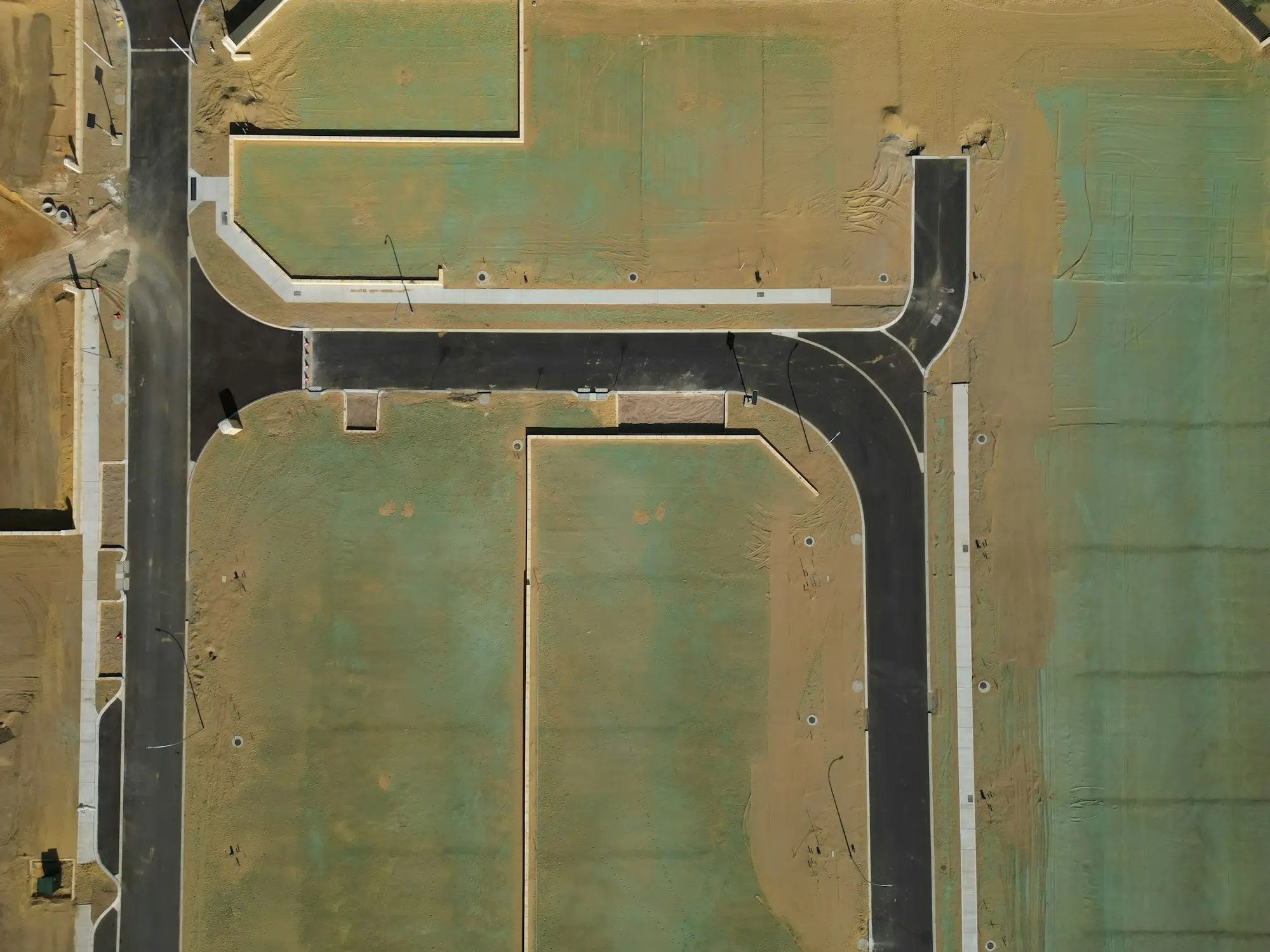
The southern end of the coast is dominated by Caloundra South, known to most locals as Aura. Economic Development Queensland’s February 2025 fact sheet describes more than 2,300 hectares of greenfield land planned for about 20,000 dwellings and around 50,000 residents, together with about 500,000 square metres of industrial and commercial space and a business park expected to support more than 1,000 local jobs.
Further growth is coming. Economic Development Queensland lists the Halls Creek priority development area as able to support up to 12,000 new homes on the Sunshine Coast. Priority development areas sit under the Economic Development Act 2012, with their planning documents kept on a public register by the minister, so check which set of rules applies before you buy or borrow against a lot inside one.
For borrowers this creates a steady supply of:
- builders with completed homes waiting on settlement or sale;
- small developers holding titled lots between registration and sale;
- trade and supply businesses owning sheds in new business parks.
Each is a natural fit for a short private loan, provided the exit is real.
Which Sunshine Coast properties work as security?
| Security | Typical places | How it’s assessed |
|---|---|---|
| Completed, unsold townhouses or houses | Caloundra, Aura, Palmview, Bli Bli | Strong security; sales are usually the exit |
| Coastal units, including letting pools | Mooloolaba, Maroochydore, Coolum, Kings Beach | Building, unit size, management arrangement, resale |
| Industrial and showroom units | Kunda Park, Kawana, Caloundra West, Noosaville | Access, zoning, owner-occupied or leased |
| Family homes | Buderim, Sippy Downs, Peregian Springs | Equity behind the home loan |
| Titled vacant lots | Growth areas across the coast | Case by case; servicing, sales evidence and exit |
| Hinterland acreage | Maleny, Montville, Eumundi, Glass House Mountains | Case by case; access, dwelling and buyer depth |
There’s no formal valuation required on any of these. A specialist assesses the property directly, so a builder isn’t left waiting for an outside report on a half-sold project. See vacant land loans for what matters most when bare land is involved.
What about hinterland acreage and rural-residential blocks?
Hinterland property is popular with business owners who live in Maleny, Montville or the Mary Valley and run a firm on the coast. It can be security, but it’s considered case by case. The specialist will ask how the property is accessed in wet weather, whether the house is in good order, how big the block is and how many buyers there are for that kind of property in that town. A large, unusual or remote holding takes longer to sell, so the loan is usually smaller relative to the property than it would be against a suburban house. Offering a coastal unit or shed alongside acreage often gives a better result than relying on the acreage alone. Our regional and rural property loans page goes further into how location changes the assessment.
How do builders and developers use a private loan here?
The most common Sunshine Coast uses are practical and short:
- Paying out a construction facility on finished stock when the bank wants out before every unit has sold. Our residual stock loans page covers release figures and timing.
- Securing the next site with a deposit drawn against existing stock or a home; see site deposit funding.
- Paying infrastructure charges and council fees so a plan can be sealed and lots can settle; our developer contributions and council fees page explains the exit.
- Bridging to a sale, where a property is listed but the cash is needed now; see bridge until a property sells.
A private loan secured on completed property is not a construction loan. If you need staged draws while you build, read construction loan vs property-secured developer funding before you choose.
How does a Sunshine Coast loan work?
- Enquire. Tell us the property, the debt on it, what you need and how it will be repaid. There’s no credit check.
- Talk it through. A specialist tests the exit, especially sale assumptions on finished stock, and picks the structure.
- Get your Letter of Offer. It shows the term, interest arrangement and assessment fee.
- Sign. You and any guarantor sign with your solicitor.
- Lodge and settle. The mortgage or caveat is lodged electronically and funds are released.
Queensland’s caveat rule matters for builders. A lender’s caveat lapses three months after lodgement, even with the owner’s consent, unless the lender takes court action. Development timetables slip, so if there’s any chance your sales take longer, start with a registered second mortgage instead. Our Brisbane and Queensland page sets out the rest of the Queensland rules, including transfer duty timing and auctions.
What about floods, storms and bushfire?
The coast’s rivers and low-lying canal estates flood in heavy rain, and Tropical Cyclone Alfred’s rain and erosion in March 2025 reached the region’s beaches. The Queensland Reconstruction Authority points owners to FloodCheck Queensland for flood studies and modelled and historic flood maps, and it is funding property-level flood portals for eligible councils.
Before you enquire:
- check the flood mapping for each security property;
- confirm building insurance is current, including storm and flood cover where available;
- note any bushfire or landslip overlay on hinterland acreage, because buyers will ask about it too.
None of these automatically rules a property out; they feed into how much can be lent and how confident the exit is.
How does a private loan compare for a Sunshine Coast builder?
| Option | Timing | What it needs | Weakness |
|---|---|---|---|
| Private first or second mortgage on finished stock | Days | Equity in the stock and a sale plan | Higher cost than bank debt |
| Extension from the construction lender | Uncertain | Lender goodwill and pre-sales | Often declined or repriced near expiry |
| Discounting stock to sell faster | Weeks | Buyers at a lower price | Permanent loss of margin |
| Residual stock loan from a non-bank | Weeks | An outside property report and ongoing reporting | Slower, with minimums that rule out small jobs |
| Waiting for each sale | Months | Cash in reserve | Default interest and pressure if the facility expires |
What could a builder net from a short loan?
Illustrative example: a Caloundra West builder has three finished townhouses the specialist assesses at about $750k each ($2.25m in total) with $1.1m still owing to the construction lender, whose facility expires in three weeks. At an illustrative 60% LVR band on a private first mortgage, total lending could reach $1.35m. The builder takes $1.25m, leaving headroom inside the band for interest to be capitalised. The $1.1m payout comes off first, so about $150k, less the assessment fee and legal costs, is left as working capital for the next slab. As each townhouse sells, the proceeds reduce the loan until it’s cleared.
The equity calculator lets you test your own stock or property.
What it costs on the Sunshine Coast (without the guesswork)
Pricing depends on the security, LVR, term and exit, and we aim for the sharpest result your situation allows. Expect to see:
- interest, either prepaid at settlement or capitalised and repaid with the loan;
- an assessment fee, varying with the loan and shown on the Letter of Offer;
- legal fees for preparing and lodging the security;
- your own solicitor’s advice.
A second mortgage or caveat usually costs more than a first, because the lender stands behind the existing mortgage.
Documents you’ll need
- ID for each owner, director and guarantor.
- Statements for every loan on the security property, including any construction facility and its expiry date.
- For finished stock: the list of lots, any sale contracts and your agent’s current listing details.
- Company or trust documents if the property isn’t held personally.
- A short note on purpose and exit.
- Current insurance on the security.
How fast can funds land?
Amounts between $20k and $250k secured on property are possible the same day documents are signed. For bigger deals, anything up to $5m can be possible within a day or two after the full document set arrives. If you’re paying out a construction lender, request their payout figure early, because that’s often the slowest piece.
Who it suits
- Builders and small developers with finished stock and an expiring facility.
- Tourism and hospitality owners with uneven trading months and a debt-free or lightly geared property.
- Buyers who need a deposit or settlement funds before a bank will act.
- Owners clearing creditors while a sale completes, or using the property equity route to pay the ATO in one hit.
- Buyers who must settle a property purchase on time while a bank finishes its assessment.
When this isn’t the right move
- When the project isn’t finished and you really need a construction loan with staged draws.
- When sales are unlikely to repay the loan within the term at realistic prices.
- When a caveat would have to run past three months; choose a registered second instead.
- When the money is for personal use or buying your own home.
See if you qualify
As the direct lender, fundU has its own specialists read each enquiry, and your details aren’t distributed to other funders. You won’t face a credit check to enquire.
Tell us accurately what the property is, what’s owed on it, when any facility expires and how you’ll repay. That’s how you get a firm answer on the first call. Begin a Sunshine Coast enquiry, or send us your stock list and we’ll tell you what it can support.
Frequently asked questions
I've finished four townhouses in Caloundra and two haven't sold. Can I borrow against them to pay out my construction lender?
Yes, this is one of the most common Sunshine Coast scenarios. A private first mortgage over the unsold townhouses can repay the construction facility before it expires, with interest capitalised and the sales as the exit. Our residual stock page explains how release amounts work as each one sells.
Can I use a vacant lot in Aura as security?
A registered, titled lot is considered case by case. The specialist looks at size, servicing, how quickly similar lots are selling and what your exit is. Pairing the lot with an improved property usually makes the loan simpler and larger.
I own a Maleny acreage with a house on it. Will you lend against it for my business?
Rural-residential property with a dwelling is looked at case by case. Access, the condition of the house, the land size and resale depth in that area all count. A clear exit, such as a sale of other stock or a bank refinance, carries a lot of weight.
My builder's licence is fine but my bank won't lend after a bad year. What are my options?
If you own property with equity, a private loan can fund the next job or clear creditors while trading recovers. The bank's view of one year's figures matters less than the equity, the purpose and how the loan will be repaid.
Can a caveat cover a nine-month development holding period?
No. A Queensland lender's caveat lapses three months after lodgement unless court proceedings start, consent or not. For a nine-month hold, the loan should be a registered second mortgage, or a first mortgage if the land is clear.
I need a deposit for a development site in Nambour by Friday. Is that realistic?
Possibly. Up to $250k against existing property is possible the same day once documents are signed. Have your loan statements, ID and the contract ready, and tell the specialist the deadline in your enquiry.
My coastal unit in Mooloolaba is in a holiday letting pool. Does that matter?
It's assessed like any strata unit, with extra attention to the letting or management arrangement, the unit's size and how readily it would resell. Standard apartments in letting pools are generally fine; very small studios get a closer look.
Can I pay council infrastructure charges with a private loan before my subdivision plan is sealed?
Yes, if you have property to secure it against and an exit such as lot sales or a development finance draw. Our page on developer contributions and council fees covers the timing and exit planning in detail.
Is there a credit check when I enquire?
No. A credit check isn't run at the enquiry stage. A specialist reviews your property, the debts against it and your exit first, and only moves forward with your agreement.
Do I need flood information for a property near the Maroochy River?
It helps. Queensland's FloodCheck service publishes modelled and historic flood maps, and knowing where your property sits lets the specialist assess it faster. A flood-mapped address is weighed, not automatically declined.
Can my company borrow against property owned by me personally?
Yes. You can give a mortgage over property you own to secure a loan to your company, usually alongside a personal guarantee. Your solicitor explains each document before you sign it.
How long can a Sunshine Coast private first mortgage run?
1 to 24 months. The term is matched to the exit, so a builder expecting sales over six months would usually choose a term with some buffer beyond that rather than the longest possible.
What if my townhouses sell for less than I hoped?
That's why the exit is tested at the start. The specialist looks at realistic sale prices and keeps the loan at a level the sales can repay with room to spare. If a shortfall looks likely, talk early about extending the term or selling more stock.
Sources
- Sunshine Coast Council — Regional Economic Development Strategy Annual Report 2023-24 (October 2024)
- Economic Development Queensland — Caloundra South Priority Development Area fact sheet (February 2025)
- Economic Development Queensland — Priority development areas (updated September 2026)
- Queensland Reconstruction Authority — Property Level Flood Information Portals Program (updated September 2026)
- Titles Queensland — Land Title Practice Manual Part 11: Caveats (updated August 2025)