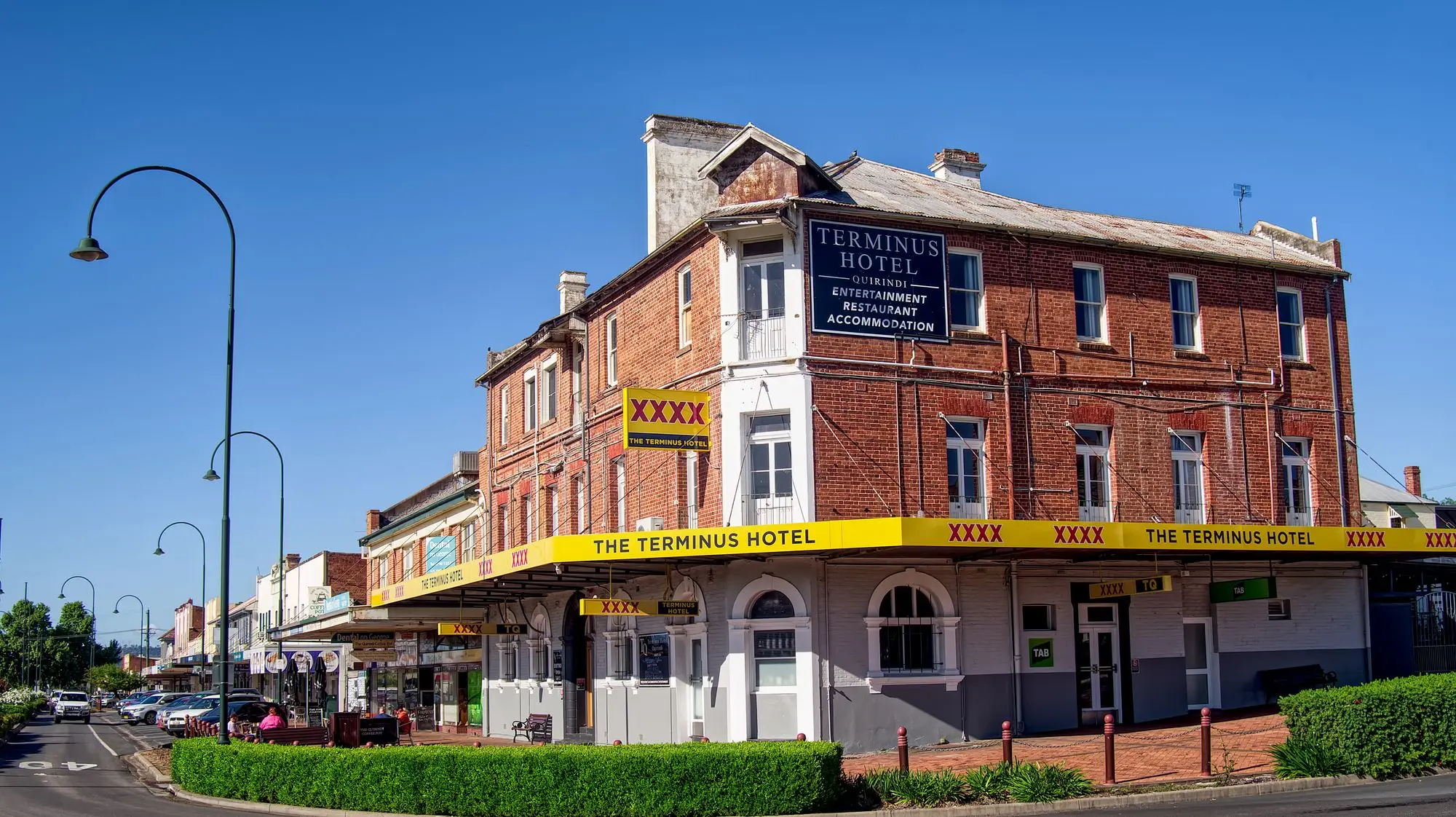
Quick answer
A private lender can fund a pub purchase on a tight settlement when there is enough property equity, either in the pub itself or in other property you own, and a believable exit such as a bank refinance. The lender looks at the freehold, the loan size against it and how you will repay, rather than waiting on a full bank credit process. The liquor licence transfer runs on the regulator's clock, so start it early.
Ready when you are
Check your options in about 60 seconds
A few quick questions. Asking won't touch your credit file, your details aren't sent to a pile of lenders, and a real person reads every enquiry.
1/ 8
Secure · no credit check
Rather talk? 1300 93 83 87
Key points
- Freehold is the security a private lender can lend against; a leasehold pub usually needs other property added
- The licence transfer is a separate approval: Victoria suggests applying at least 8 weeks ahead
- You can't serve alcohol until the transfer or an interim authority is granted
- Add a second property as security if the pub alone won't carry the loan
- Plan the exit before you sign: usually a refinance to a bank once the pub has trading history under your name
If you have a pub contract, a settlement date and no bank approval, a private lender can often fund the purchase, provided there is enough property equity behind it and a clear way to repay. The first job is to put the enquiry in early, because the liquor licence transfer has its own timetable that no lender can speed up. Tell us about the pub and your settlement date and a specialist will look at what could land in time.
What does a private lender need to fund a pub purchase?
A private lender needs three things: security with enough equity, a repayment plan (the exit) and a clear picture of who is borrowing. It doesn’t need a full bank-style credit file. For a pub, that usually means a first mortgage over the freehold, sometimes with other property you own added to make the numbers work.
Where you stand, in plain terms:
- Freehold pub: the building and land can be the security. On commercial property our lender lends up to 70% of value, lower on large acreage.
- Leasehold pub: there’s no title to mortgage, so security has to come from other property you own.
- Equity elsewhere: a home, investment property or commercial building can top up or replace the pub as security.
- Credit history: bad credit, defaults and ATO debt are considered case by case, not as automatic knock-outs.
- Experience and paperwork: a licence history, trading figures and any existing leases help, but there is no minimum trading period for the borrower.
- Purpose: business purposes only.
Loans run from $20k to $5m on open terms, and funding can happen in as little as 24 hours from a clean, complete scenario. There’s no formal valuation required, so there’s no valuer to book before settlement.
Freehold or leasehold: which security can a lender use?
A lender can only take a mortgage over land you actually own. So a freehold pub (you buy the building, land and business) can be the security for its own purchase, while a leasehold pub (you buy the business and lease the building from a landlord) can’t.
For a leasehold purchase, the answer is usually to bring in property you already hold. A second mortgage over existing commercial property or a first mortgage on a debt-free home can release the cash for the business purchase. The same applies to a freehold deal where the pub alone can’t carry the whole price: stack a second property behind it.
Pub deals also include things that aren’t land, such as stock, fit-out, the licence and any gaming entitlements. Lenders rely on the property, not on those items, so expect to cover that portion from your own equity.
How long does a liquor licence transfer take, state by state?
A liquor licence transfer takes weeks, not days, and the time differs by state. Treat it as a separate project alongside finance, started as soon as the contract is signed (or sooner, if the regulator allows). Here’s what the official pages say today.
| State | What the regulator says | Source |
|---|---|---|
| Victoria | Apply at least 8 weeks before you want the change to take effect; a decision can take about 5 to 7 weeks, longer if Victoria Police objects. You must not supply alcohol until the transfer is granted and you can legally occupy the venue | vic.gov.au |
| Queensland | Most transfers finalise in about 2 months; interim authority to keep trading usually takes 2 to 3 working days; a premises with a gaming machine licence needs a new gaming machine licence, which generally takes longer | business.qld.gov.au |
| NSW | Provisional approval is usually given within ten business days of a complete application, and the business can keep operating while it’s assessed; gaming machine entitlements need a direct debit form | nsw.gov.au |
Other states have their own rules, so confirm with your regulator or solicitor. The common thread is that delays come from incomplete forms. Queensland lists missing signatures, police and credit check material and thin information about company officers as typical causes.
When should the licence and the finance be lined up?
Line them up before you sign, not after. The licence transfer and the funding both depend on the contract, and both are cheaper to fix early. A sensible order looks like this:
- Before exchange: confirm the structure (freehold or leasehold, entity buying), what the contract includes and whether the settlement date leaves room for the licence.
- At exchange: lodge the licence transfer application as soon as the regulator allows, and send your enquiry to the lender.
- While the licence runs: the lender assesses the security, your solicitor prepares for settlement and any gaming steps are started.
- At settlement: funds move through PEXA, and the transfer or interim authority lets you trade from day one. Our guide to what happens at settlement covers the day itself.
If your contract has a finance condition, check the date. Our guide to the commercial purchase timeline maps where the other legal deadlines sit, such as duty and GST.
What exit will a private lender expect for a pub?
A private lender expects a specific, believable exit: usually a refinance to a bank once you’ve traded the pub for long enough that a bank will assess it on its earnings. The exit is a planned event, not a hope.
The main exits for a pub are:
- Refinance to a bank: the most common. Banks often want a trading history under your name, so the private loan covers that period.
- Sale of other property: if you’re selling a home or investment asset to fund the longer-term holding.
- Cash flow from the pub itself: workable where trading is strong and interest is capitalised for up to 6 months (no repayments for the first 6 months).
Our guide to exit strategies for a short-term mortgage shows what a credible plan looks like, and what makes lenders nervous.
Illustrative example: a freehold pub with an 8-week settlement
Illustrative: A buyer signs an unconditional contract of $2.4m for a freehold country pub, with 8 weeks to settle. The bank’s credit process is running behind, and the buyer’s other asset is a debt-free investment property. The solicitor lines up a private first mortgage over the pub, with the investment property added as extra security so the pub isn’t carrying the whole loan. The licence transfer application goes in at exchange, and the buyer applies for the interim trading approval their state offers. Settlement happens on the contract date, and the buyer arranges a bank refinance once the pub has been trading under their name for long enough to be assessed.
The numbers will differ with every deal. The pattern is what matters: contract, security, licence and exit, handled together.
What to have ready when you enquire
You can get a first answer without a pile of paperwork. Have these to hand:
- The contract of sale, and the settlement date
- The purchase price and how much deposit you’ve paid
- Whether the pub is freehold or leasehold, and who is buying (company, trust or individual)
- Details of any other property you could offer as security and what’s owing on it
- Where you are with the licence transfer
- Your intended exit, in a sentence
Our hospitality page shows how property-secured lending works for pubs, cafés and restaurants more broadly. If the contract and the property are in front of you now, check where your pub deal stands before the licence clock gets any shorter.
Two mistakes cost buyers the most time. The first is lodging the licence transfer late, which leaves a gap between settlement and the right to serve. The second is leaving the funding question until the bank says no, by which point the settlement date is days away. A lender can only move as fast as a complete, accurate scenario allows, so the work you do before enquiring is the work that saves the deal.
If the pub has gaming machines, raise that with your solicitor and the regulator on day one. Queensland, for example, says a premises with a current gaming machine licence needs a new one, and that transfers lodged alongside it generally take longer. NSW asks for a direct debit form with every gaming transfer. Those steps sit on the regulator’s side, not the lender’s, so they belong on your own timetable.
Buying the pub on a deadline? Start with the enquiry
Pub deals are won and lost on timing. Get the security and the licence moving in parallel and the settlement date stops being a threat.
Enquiring takes about 60 seconds, and there’s no credit check to find out where you stand, so your credit file isn’t touched just for asking. We don’t send your details to a pile of lenders, so your phone won’t light up, and a real person who understands secured lending reads your enquiry and calls you. Please fill the form in accurately, covering the property, what’s owing and your settlement date, so the first answer you get is the right one. Settling a pub purchase soon? See if you qualify →
Frequently asked questions
Can a private lender fund the purchase of a pub?
Yes, where the security and exit stack up. A private first mortgage over the pub freehold, sometimes with other property you own added, can fund the purchase. Loans run from $20k to $5m on open terms. The lender focuses on equity and how you'll repay, not just the trading history.
Can I buy a pub if I'm leasing the building rather than owning it?
A lender can't take a first mortgage over land you only lease. If you're buying the business and taking a lease, funding usually has to be secured on other property you own, such as your home or an investment or commercial property, through a first or second mortgage.
How long does a liquor licence transfer take?
It varies by state. Victoria says to apply at least 8 weeks ahead and that a decision can take about 5 to 7 weeks. Queensland says most transfers finalise in about 2 months, with an interim authority in 2 to 3 working days. NSW gives provisional approval, usually within ten business days of a complete application.
Do I have to wait for the licence before I can trade?
You can't supply alcohol until the transfer, or in Queensland an interim authority, is granted and you have the legal right to occupy. In NSW, provisional approval lets the business keep operating while the application is assessed. Check your state's rule with the regulator.
Does the lender need a valuation of the pub?
No formal valuation is required. The lender assesses the value of the property itself, so there's nothing to organise or pay for on your side.
What if my bank approval isn't ready by settlement?
Settlement dates in an unconditional contract don't move because a bank is slow. A private first mortgage can settle on time, then the bank refinance becomes the exit. If your contract has a finance clause, see what to do when a [commercial contract finance clause expires](/guides/commercial-contract-finance-clause-expires/) before the date passes.